
SEAI Grants Ireland 2026 — Every Home Energy Grant Explained Read Full 2026 Guide Now →

Insulation Grant Ireland 2026 — Up to €2,000 for Attic and Wall Insulation

Insulation Grant Ireland 2026 — Up to €2,000 for Attic and Wall Insulation

SEAI increased insulation grants in February 2026, making attic and wall insulation more affordable for Irish homeowners than ever before. A detached home can now receive up to €2,000 for attic insulation and up to €1,800 for cavity wall insulation — with even higher amounts available for first-time buyers and those on welfare payments.

Insulation is often the first upgrade recommended before installing a heat pump or solar panels. It reduces heat loss, lowers energy bills and makes all other energy upgrades more effective.

Find out your insulation grant estimate in 60 seconds.
Our free checker gives you a personalised grant amount based on your home type, year built and current heating.

Check My Grant →

Insulation Grant Amounts 2026

Attic Insulation Grant

Property type Standard grant First-time buyer / welfare
Detached house €2,000 €2,500
Semi-detached / end-terrace €1,300 €1,800
Mid-terrace €1,200 €1,600
Apartment €800 €1,100

Cavity Wall Insulation Grant

Property type Standard grant Welfare enhanced rate
Detached house €1,800 €2,300
Semi-detached / end-terrace €1,200 €1,600
Mid-terrace €800 €1,100
Apartment €700 €900

Enhanced rates apply to homeowners receiving qualifying welfare payments: Fuel Allowance, Disability Allowance, Working Family Payment, Carer’s Allowance, One-Parent Family Payment, or Job Seeker’s Allowance (with a child under 7). Using enhanced individual grants does not affect your place on the Warmer Homes Scheme waiting list.

Do I Qualify for the Insulation Grant?

To be eligible for SEAI insulation grants in 2026 your property must:

  • Be in Ireland
  • Have been built and occupied before 2011
  • Not have previously received an SEAI grant for the same insulation type (with the exception of second wall measures — see below)

You must use an SEAI-registered insulation contractor and receive grant approval before work starts.

Second Wall Insulation — New in 2026

From March 2026, homeowners who previously received a grant for cavity wall or internal wall insulation can now apply for a second wall insulation measure. This means you can have cavity wall insulation done first (typically the cheapest option), then add external wall insulation later — claiming a separate grant for each. This “double wall” approach significantly improves your home’s thermal performance and makes it more suitable for a heat pump.

Types of Insulation Covered

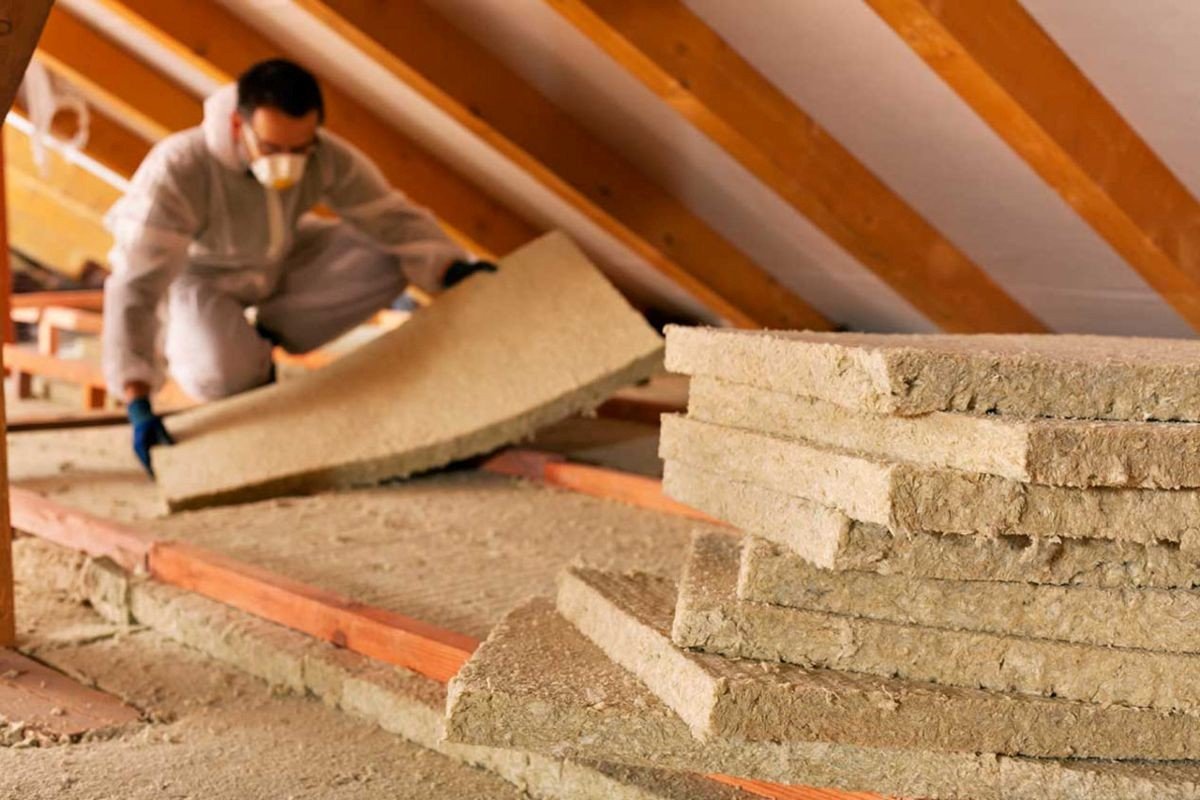
  • Attic insulation — insulation laid between and over ceiling joists. Reduces heat loss through the roof by up to 25%. Most cost-effective first step for older homes.
  • Cavity wall insulation — insulation injected or blown into the cavity between inner and outer walls. Works for most homes built between 1940 and 1980 that have a cavity gap.
  • Internal wall insulation — for solid-wall homes (usually pre-1940) without a cavity. Installed on the inside of external walls.
  • External wall insulation — fitted on the outside of the building. Most effective but also most expensive. Often combined with the One Stop Shop deep retrofit grant.
  • Rafter insulation — available through the One Stop Shop route. Makes the attic space itself warm — essential for attic conversions.

Why Insulate First?

SEAI and energy experts recommend insulating your home before installing a heat pump or other heating upgrades. A heat pump in a poorly insulated home will not perform efficiently — and SEAI’s heat pump grant actually requires your home to meet a minimum Heat Loss Indicator (HLI) of 2.0, which typically means adequate insulation must already be in place.

Starting with insulation means you will use less energy to heat your home regardless of what heating system you have, and you will qualify for the full heat pump grant when you are ready to upgrade.

Not sure which insulation grants apply to your home?
Our free grant checker tells you exactly what you qualify for — attic, cavity wall, external wall — based on your property type, year built and current situation.

Check My Grants →

Frequently Asked Questions

How much is the insulation grant in Ireland in 2026?

The SEAI insulation grant in Ireland in 2026 is up to €2,000 for attic insulation on a detached house, and up to €1,800 for cavity wall insulation on a detached house. Enhanced rates of up to €2,500 (attic) and €2,300 (cavity wall) are available for first-time buyers and homeowners on qualifying welfare payments. Amounts vary by property type — semi-detached, terraced and apartments receive lower amounts.

Does my home need to be built before 2011 for the insulation grant?

Yes. SEAI insulation grants require the property to have been built and occupied before 2011. Homes built after 2011 generally already meet modern insulation standards under building regulations and do not qualify for insulation grants.

Can I get an insulation grant if I already had insulation done previously?

From March 2026, homeowners who previously received a grant for cavity wall or internal wall insulation can now apply for a second wall insulation measure. For attic insulation, you cannot claim a second attic grant if you have already received one.

How long does it take to get the insulation grant?

SEAI grant approval for insulation is typically near-instantaneous online. Payment after completed works usually takes 4–8 weeks. You must apply and receive approval before any work starts — retrospective applications are not accepted.

What is the Warmer Homes Scheme and how is it different?

The Warmer Homes Scheme provides fully funded home energy upgrades (including insulation) at no cost to the homeowner, for those receiving qualifying welfare payments. However, the waiting list is currently over 24 months. From March 2026, homeowners on the waiting list can access enhanced individual insulation grants immediately without losing their place on the Warmer Homes list.

Related Grant Guides
SEAI increased insulation grants in February 2026, making attic and wall insulation more affordable for Irish homeowners than ever before. A detached home can now receive up to €2,000 for attic insulation and up to €1,800 for cavity wall insulation — with even higher amounts available for first-time buyers and those on welfare payments.

Insulation is often the first upgrade recommended before installing a heat pump or solar panels. It reduces heat loss, lowers energy bills and makes all other energy upgrades more effective.

Find out your insulation grant estimate in 60 seconds.
Our free checker gives you a personalised grant amount based on your home type, year built and current heating.

Check My Grant →

Insulation Grant Amounts 2026

Attic Insulation Grant

Property type Standard grant First-time buyer / welfare
Detached house €2,000 €2,500
Semi-detached / end-terrace €1,300 €1,800
Mid-terrace €1,200 €1,600
Apartment €800 €1,100

Cavity Wall Insulation Grant

Property type Standard grant Welfare enhanced rate
Detached house €1,800 €2,300
Semi-detached / end-terrace €1,200 €1,600
Mid-terrace €800 €1,100
Apartment €700 €900

Enhanced rates apply to homeowners receiving qualifying welfare payments: Fuel Allowance, Disability Allowance, Working Family Payment, Carer’s Allowance, One-Parent Family Payment, or Job Seeker’s Allowance (with a child under 7). Using enhanced individual grants does not affect your place on the Warmer Homes Scheme waiting list.

Do I Qualify for the Insulation Grant?

To be eligible for SEAI insulation grants in 2026 your property must:

  • Be in Ireland
  • Have been built and occupied before 2011
  • Not have previously received an SEAI grant for the same insulation type (with the exception of second wall measures — see below)

You must use an SEAI-registered insulation contractor and receive grant approval before work starts.

Second Wall Insulation — New in 2026

From March 2026, homeowners who previously received a grant for cavity wall or internal wall insulation can now apply for a second wall insulation measure. This means you can have cavity wall insulation done first (typically the cheapest option), then add external wall insulation later — claiming a separate grant for each. This “double wall” approach significantly improves your home’s thermal performance and makes it more suitable for a heat pump.

Types of Insulation Covered

  • Attic insulation — insulation laid between and over ceiling joists. Reduces heat loss through the roof by up to 25%. Most cost-effective first step for older homes.
  • Cavity wall insulation — insulation injected or blown into the cavity between inner and outer walls. Works for most homes built between 1940 and 1980 that have a cavity gap.
  • Internal wall insulation — for solid-wall homes (usually pre-1940) without a cavity. Installed on the inside of external walls.
  • External wall insulation — fitted on the outside of the building. Most effective but also most expensive. Often combined with the One Stop Shop deep retrofit grant.
  • Rafter insulation — available through the One Stop Shop route. Makes the attic space itself warm — essential for attic conversions.

Why Insulate First?

SEAI and energy experts recommend insulating your home before installing a heat pump or other heating upgrades. A heat pump in a poorly insulated home will not perform efficiently — and SEAI’s heat pump grant actually requires your home to meet a minimum Heat Loss Indicator (HLI) of 2.0, which typically means adequate insulation must already be in place.

Starting with insulation means you will use less energy to heat your home regardless of what heating system you have, and you will qualify for the full heat pump grant when you are ready to upgrade.

Not sure which insulation grants apply to your home?
Our free grant checker tells you exactly what you qualify for — attic, cavity wall, external wall — based on your property type, year built and current situation.

Check My Grants →

Frequently Asked Questions

How much is the insulation grant in Ireland in 2026?

The SEAI insulation grant in Ireland in 2026 is up to €2,000 for attic insulation on a detached house, and up to €1,800 for cavity wall insulation on a detached house. Enhanced rates of up to €2,500 (attic) and €2,300 (cavity wall) are available for first-time buyers and homeowners on qualifying welfare payments. Amounts vary by property type — semi-detached, terraced and apartments receive lower amounts.

Does my home need to be built before 2011 for the insulation grant?

Yes. SEAI insulation grants require the property to have been built and occupied before 2011. Homes built after 2011 generally already meet modern insulation standards under building regulations and do not qualify for insulation grants.

Can I get an insulation grant if I already had insulation done previously?

From March 2026, homeowners who previously received a grant for cavity wall or internal wall insulation can now apply for a second wall insulation measure. For attic insulation, you cannot claim a second attic grant if you have already received one.

How long does it take to get the insulation grant?

SEAI grant approval for insulation is typically near-instantaneous online. Payment after completed works usually takes 4–8 weeks. You must apply and receive approval before any work starts — retrospective applications are not accepted.

What is the Warmer Homes Scheme and how is it different?

The Warmer Homes Scheme provides fully funded home energy upgrades (including insulation) at no cost to the homeowner, for those receiving qualifying welfare payments. However, the waiting list is currently over 24 months. From March 2026, homeowners on the waiting list can access enhanced individual insulation grants immediately without losing their place on the Warmer Homes list.

Related Grant Guides


Don’t leave €8,400 on the table.

The Irish Government has set aside over €500 million in home energy grants for 2026 and most homeowners don’t know what they qualify for – check yours free in 60 seconds.